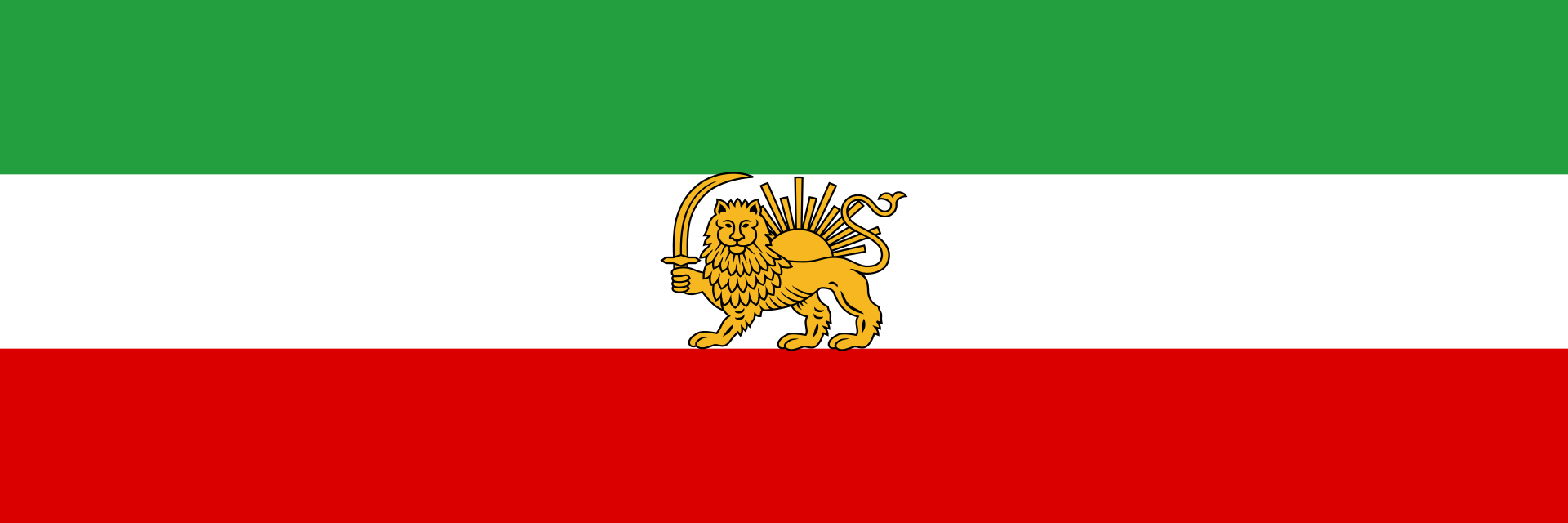
Iran During the Second World War: Neutrality, Invasion, and Lasting Consequences
World War II is often remembered in the context of Europe and the Pacific—but it also profoundly affected nations that initially tried to stay neutral. Iran is one of the clearest examples of how global conflict reshaped a country’s politics, society, and international position long after the final battles ended.
Neutrality and Strategic Importance
When World War II began in 1939, Iran officially declared neutrality. The country, under Reza Shah Pahlavi, wanted to avoid entanglement in foreign conflicts while continuing his domestic modernization programs. However, Iran’s geography—bordering the Soviet Union—and its infrastructure made it strategically vital to the Allied war effort. Its oil fields were important to Britain, and its railways and routes were ideal for supplying the Soviet Union after the German invasion in June 1941.
The Anglo-Soviet Invasion (August 1941)
August 25–31, 1941 marked a turning point: Britain and the Soviet Union launched a coordinated invasion of Iran despite its neutral stance.
Why the Invasion?
The Allies feared several risks:
- Iran’s proximity and transportation routes could be exploited by Germany.
- Iran’s oil was critical to the British war effort.
- They needed a secure supply line—later known as the “Persian Corridor”—to deliver Lend-Lease aid(weapons, trucks, food, fuel) to the Soviet Union fighting the Axis on the Eastern Front.
Swift Collapse of Resistance
Iran’s army was ill-prepared to resist two world powers simultaneously. Within days, Allied forces took control of key cities, railways, and communication lines, forcing Reza Shah to abdicate. The Allies exiled him and installed his son, Mohammad Reza Pahlavi, in hopes of more compliant leadership.
Occupation and Control (1941–1946)
Although Iran had not declared war on any Axis power at the time of invasion, the Allies maintained occupation throughout most of World War II. The country was effectively partitioned:
- British forces operated in the south.
- Soviet forces controlled the north.
- The center, including Tehran, remained under limited nominal Iranian administration but was heavily influenced by Allied oversight.
The Persian Corridor
Iran became the logistical backbone for Allied supplies to the Soviet Union. The Trans-Iranian Railway and newly constructed roads facilitated the movement of millions of tons of aid. Winston Churchill famously called Iran the “Bridge of Victory” for this crucial role.
Polish Refugees
From 1942 onward, Iran also became a haven for tens of thousands of Polish refugees—soldiers and civilians evacuated from the Soviet Union. Iranian ports, especially Pahlevi (now Anzali), received tens of thousands of refugees who established schools, businesses, and support networks despite dire conditions.
Internal Consequences: Famine and Social Strain
The occupation had dramatic effects on ordinary Iranians.
Iranian Famine of 1942–1943
With the Allied forces controlling transportation, food distribution, and much of the economy, Iran experienced a devastating famine from 1942 to 1943. British and Soviet control of railroads and trucks meant most food distribution was redirected or disrupted. Combined with a poor harvest, inflation, and diverted resources, famine spread widely—especially in the south. Estimates by some historians suggest millions suffered and possibly several million died of starvation and disease.
Protests against the Allied presence broke out in cities such as Tehran, but they were often suppressed with force by authorities backed by the British.
Political and Cultural Effects
Rise of Political Activism
The invasion and occupation weakened the strong centralized control that Reza Shah had imposed. With the Shah gone and censorship relaxed, independent newspapers, political groups, and parties began to flourish. The Tudeh Party, a leftist organization, gained particular prominence during this period by advocating for workers’ rights and aligning with socialist and pro-Soviet ideas.
Ethnic and Regional Tensions
The occupation also fueled unrest in peripheral regions. For example, Kurdish and Azeri groups staged revolts against the central government during and after the invasion, revealing the fragile nature of Iran’s internal cohesion in wartime conditions.
International Diplomacy and the Tehran Conference
Despite being occupied, Iran remained symbolically part of the Allied camp. In September 1943, Iran formally declared war on Germany, which qualified it for inclusion in postwar arrangements such as the United Nations.
In late November 1943, Iran hosted the Tehran Conference, bringing together the “Big Three” Allied leaders—Joseph Stalin, Franklin D. Roosevelt, and Winston Churchill—to coordinate strategy against Nazi Germany and discuss postwar plans. It was the first of the major Allied conferences and underscored Iran’s strategic wartime role.
Legacy and Long-Term Impact
Weakening of Sovereignty and Rise of Nationalism
The Anglo-Soviet invasion left a lasting imprint on Iranian political consciousness. The humiliation of enforced occupation despite neutrality contributed to growing anti-foreign sentiment, particularly against Britain and the Soviet Union. This sentiment later played into nationalist movements that challenged foreign influence in Iran’s affairs.
Emergence of Mohammad Reza Pahlavi
Although initially installed by the Allies with limited authority, Mohammad Reza Pahlavi ultimately became a central figure in Iran’s trajectory. He steadily consolidated power in the postwar years, eventually steering Iran through major transformations—many of which had roots in the instability and realignments of the wartime era.
Postwar Geopolitics and the Cold War
After the war, disputes between Britain, the Soviet Union, and Iran over the withdrawal of troops foreshadowed Cold War tensions. Soviet support for separatist movements in northern Iran led to diplomatic confrontations and pressure from the United States for Soviet withdrawal—a key early Cold War episode that helped shape U.S.–Iran relations. (This episode is connected to Iran’s strategic experiences of the 1940s, including the occupation mechanisms and political alignments established then.)
Conclusion
Iran’s experience during World War II was transformative:
- It was invaded despite its neutrality by British and Soviet forces.
- It became a critical transport and supply route for Allied aid to the Soviet Union.
- Its economy and food systems were disrupted, leading to famine and social unrest.
- Political life opened up, with political parties and public activism growing.
- Hosting the Tehran Conference placed Iran at the center of wartime diplomacy.
- The occupation reshaped Iranian nationalism and foreign relations for decades to come.
While Iran did not fight extensive battles on its soil in the conventional sense, the wartime occupations, strategic uses, and internal strains were events that profoundly affected the country’s postwar politics and identity.