The M3 Stuart: America’s Fast and Reliable Light Tank of World War II
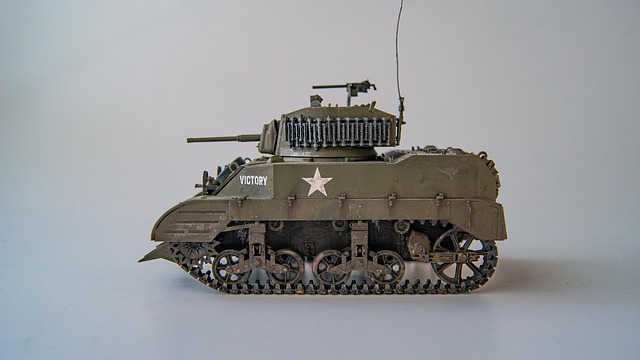
Among the many armored vehicles of the Second World War, the M3 Stuart stands out as one of the most widely used and recognizable light tanks of the era. Known for its speed, reliability, and versatility, the Stuart played a crucial role in the early years of the war—even as it quickly became outmatched on the battlefield.
Origins and Design Process
The Stuart’s development began in the late 1930s as the United States Army sought to modernize its armored forces.
At the time, U.S. doctrine emphasized:
- Speed and mobility over heavy armor
- Light tanks for reconnaissance and infantry support
The design evolved from earlier American light tanks, particularly the M2 series. Engineers focused on:
- A compact, mobile chassis
- A reliable engine system
- A turret-mounted main gun
Production of the M3 began in 1941, just before the United States entered World War II.
Intended Role
The Stuart was designed primarily as a:
- Reconnaissance vehicle
- Infantry support tank
- Fast exploitation unit
It was not meant to engage heavily armored enemy tanks. Instead, it excelled in:
- Scouting enemy positions
- Rapid maneuvering
- Supporting advances
Introduction and Service Life
- Introduced: 1941
- Primary service: 1941–1945 (WWII)
- Extended service: Continued in some countries into the 1950s and beyond
The tank was named “Stuart” by British forces, after Confederate General J.E.B. Stuart—a naming convention they applied to many U.S. tanks.
Technical Specifications
Here are the core specs for the M3 Stuart:
- Crew: 4 (commander, gunner, driver, co-driver)
- Weight: ~14 tons
- Main armament: 37 mm gun
- Secondary armament: Multiple .30 caliber machine guns
- Armor: Up to ~51 mm (varied by model)
- Engine: Continental radial engine
- Speed: Up to ~58 km/h (36 mph)
- Range: ~120–160 km
Its standout feature was its speed and mechanical reliability, especially compared to many early-war tanks.
Countries That Used the Stuart
The Stuart saw widespread use among Allied nations:
- United States
- United Kingdom
- Canada
- Australia
- Soviet Union (via Lend-Lease)
- China
- Brazil and other Allied nations
Its reliability made it especially valuable in diverse environments, from North Africa to the Pacific.
Combat Performance
Early War Success
In the early stages of WWII, the Stuart performed well:
- Its speed allowed it to outmaneuver enemy forces
- It was effective against lightly armored vehicles
- It proved reliable in harsh conditions, including deserts
British crews in North Africa even nicknamed it “Honey” because it was “sweet” to drive.
Later War Limitations
As the war progressed, the Stuart struggled:
- Its 37 mm gun became ineffective against newer German tanks
- Its relatively thin armor made it vulnerable
By mid-war, it was largely shifted away from frontline tank combat roles.
Strengths
✔ High speed and mobility
✔ Excellent mechanical reliability
✔ Easy to maintain
✔ Effective for reconnaissance
✔ Adaptable to different theaters (desert, jungle, etc.)
Weaknesses
❌ Light armor – vulnerable to anti-tank weapons
❌ Underpowered main gun – quickly became obsolete
❌ Limited survivability in tank-on-tank combat
❌ Cramped interior (common in early tank designs)
Legacy and Impact
Despite its limitations, the Stuart played an important role:
- Helped build early Allied armored experience
- Filled a critical gap before heavier tanks like the M4 Sherman became widespread
- Remained useful in reconnaissance roles even late in the war
Its longevity and global use reflect its solid design and adaptability.
Final Thoughts
The M3 Stuart was not the most powerful tank of World War II—but it was one of the most dependable and widely used.
It represents an important stage in the evolution of armored warfare:
- Fast, light, and flexible
- Yet ultimately outpaced by the demands of modern mechanized combat
In short:
The Stuart wasn’t built to win tank duels—it was built to move fast, scout ahead, and keep the army rolling.