

Understanding the Most Important Conflict of the Twentieth Century
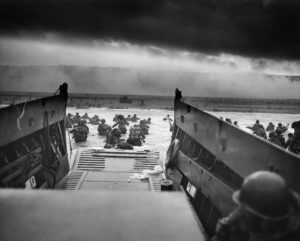
The Second World War (1939-1945) was the largest and most destructive conflict in human history. More than 60 countries were involved, millions of soldiers fought across multiple continents, and an estimated 70-85 million people lost their lives. The war reshaped the political map of the world, accelerated technological innovation, transformed military strategy, and laid the foundations for the modern international order.
The effects of the Second World War continue to influence our world today. The creation of the United Nations, the beginning of the Cold War, the emergence of the United States and the Soviet Union as superpowers, the establishment of the State of Israel, and the decline of European colonial empires all flowed from the events of 1939-1945.
Studying the Second World War helps us understand not only military history but also politics, diplomacy, technology, ethics, leadership, and human resilience. It is a story of courage and sacrifice, but also a reminder of the dangers of dictatorship, racism, and unchecked aggression.
This page serves as a hub for my Second World War articles, podcast episodes, and historical resources.
Why Learn About the Second World War?
The Second World War remains relevant because it teaches lessons that still matter today:
- How democracies respond to aggression.
- The consequences of totalitarian governments.
- The importance of leadership during crisis.
- The role of technology in warfare.
- The experiences of ordinary soldiers and civilians.
- The impact of war on faith, morality, and society.
Whether your interest is military history, church history, politics, or biography, the Second World War offers valuable insights into the modern world.
Listen to the Second World War Podcast

One of my favourite historical interests is the Second World War. Through my podcast, I explore the battles, leaders, technologies, and personal stories that shaped the conflict.
The podcast goes roughly in chronological order, looking at the background of the conflict and then tracing through the most important events. This podcast emerged out of my own desire to understand how different events in different theatres related to each other chronologically.
Whether you are new to the subject or a lifelong history enthusiast, the podcast is designed to make the history of the Second World War accessible and engaging.
Listen to the podcast here:

Timeline of Major Events of the Second World War
1939
- September 1 – Germany invades Poland.
- September 3 – Britain and France declare war on Germany.
- September 17 – Soviet Union invades eastern Poland.
- Winter War begins between Finland and the Soviet Union.
1940
- April – Germany invades Denmark and Norway.
- May – Germany invades the Netherlands, Belgium, and France.
- May-June – Evacuation of Allied forces at Dunkirk.
- June – France surrenders.
- July-October – Battle of Britain.
- September – Tripartite Pact signed by Germany, Italy, and Japan.
1941
- June 22 – Germany launches Operation Barbarossa against the Soviet Union.
- December 7 – Japanese attack on Pearl Harbor.
- December 8 – United States enters the war.
- December – Germany and Italy declare war on the United States.
1942
- February – Fall of Singapore.
- June – Battle of Midway.
- August – Allied landings on Guadalcanal.
- October-November – Second Battle of El Alamein.
- November – Operation Torch in North Africa.
1943
- February – German surrender at Stalingrad.
- July – Allied invasion of Sicily.
- September – Italy surrenders.
- November – Battle of Tarawa.
1944
- June 6 – D-Day landings in Normandy.
- June-August – Battle of Normandy.
- August – Liberation of Paris.
- September – Operation Market Garden.
- October – Battle of Leyte Gulf.
1945
- February-March – Battle of Iwo Jima.
- April-May – Battle of Okinawa.
- April 30 – Adolf Hitler commits suicide.
- May 8 – Victory in Europe Day (VE Day).
- August 6 – Atomic bomb dropped on Hiroshima.
- August 9 – Atomic bomb dropped on Nagasaki.
- August 15 – Japan announces surrender.
- September 2 – Formal Japanese surrender aboard USS Missouri.
Featured Second World War Articles
- Understanding German Military Ranks During World War II
- Understanding the Difference Between the Gestapo and the SS in Nazi Germany
- The Top Five Most Powerful Navies at the Beginning of the Second World War
- The French and German Armies in 1940: A Comparison of Strength and Strategy
- The Secret War: Britain’s MI Departments in World War Two
Find more articles related to the Second World War on my Military History Blog!
Recommended Books on World War Two
Are you looking to increase your knowledge of the Second World War? I have curated a list of books from my own collection that you can purchase from Amazon. Check out these recommended books on the Second World War.

Continue Your Journey Through History
The Second World War was a global struggle that affected every continent and transformed the modern world. By studying the people, battles, decisions, and sacrifices of those years, we gain a deeper appreciation for both the cost of war and the value of peace.
I invite you to explore the articles and podcast episodes linked on this page and continue learning about one of history’s most significant events.
If you are interested in other areas of military history, make sure to check out The Military History Blog.
