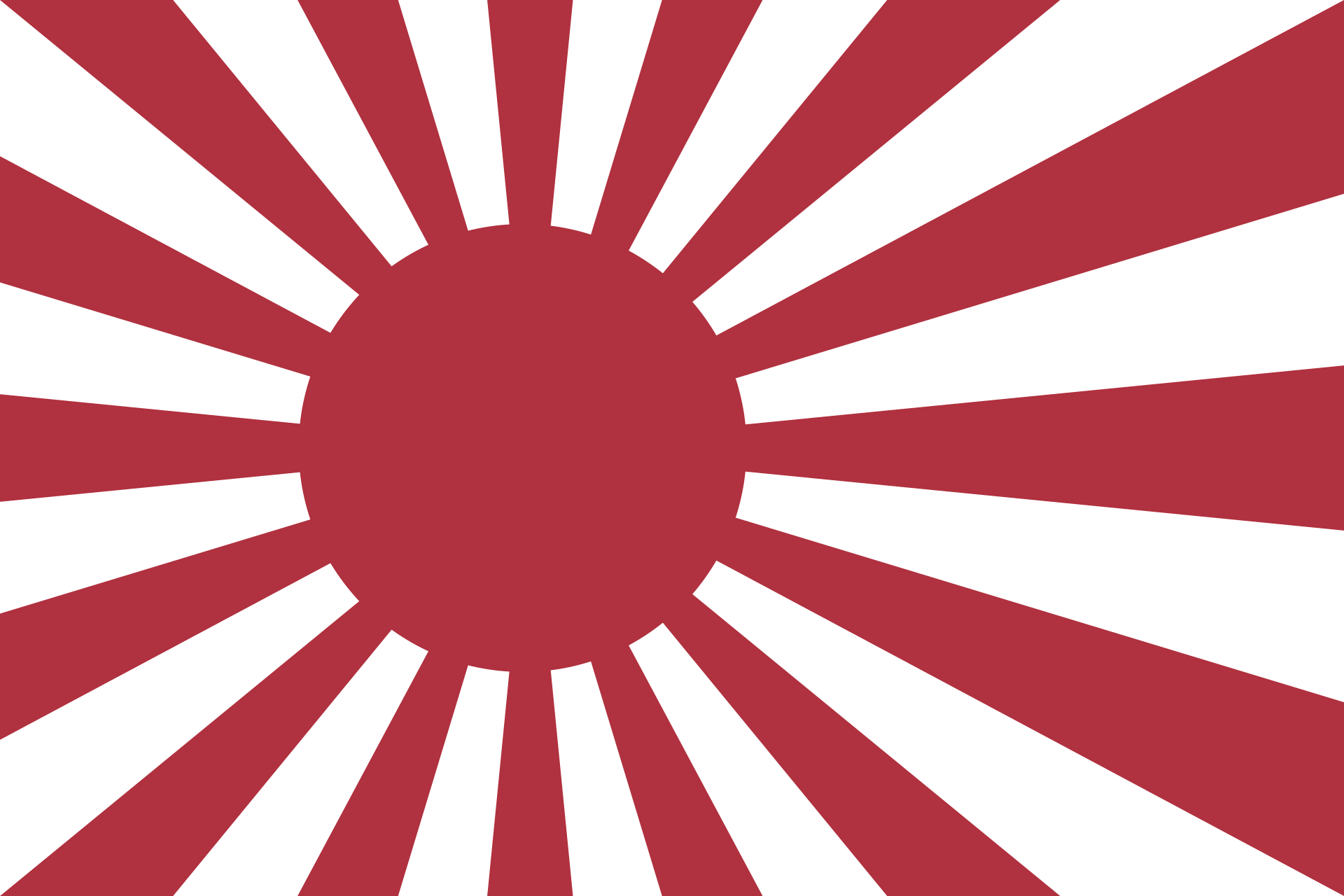
Japanese Aircraft of the Second World War
During the Second World War, Japan developed and deployed a wide array of aircraft to support its military objectives in the Pacific and Asian theaters. These aircraft were used for various purposes including fighter combat, bombing missions, reconnaissance, and training. Below is an overview of the primary types of Japanese aircraft, their production numbers, armament, and roles during the conflict.
Fighter Aircraft
Mitsubishi A6M “Zero”
- Production: Approximately 10,937 units
- Armament:
- 2 × 7.7 mm Type 97 machine guns
- 2 × 20 mm Type 99 cannons
- Optional bomb load of 2 × 60 kg bombs
- Usage: The Zero was Japan’s most famous fighter aircraft, known for its agility and long range. It was used for air superiority, carrier operations, and later as a kamikaze platform.
Nakajima Ki-43 “Oscar”
- Production: Approximately 5,919 units
- Armament:
- 2 × 12.7 mm Ho-103 machine guns
- Capability to carry two 250 kg bombs
- Usage: The Oscar served primarily with the Imperial Japanese Army Air Service and was used for air-to-air combat and ground support missions.
Kawanishi N1K “Shiden” (George)
- Production: Approximately 1,532 units
- Armament:
- 4 × 20 mm cannons
- 2 × 250 kg bombs
- Usage: Designed to counter advanced Allied aircraft, the N1K was effective in both interceptor and escort roles.
Bomber Aircraft
Mitsubishi G4M “Betty”
- Production: Approximately 2,435 units
- Armament:
- 1 × 20 mm Type 99 cannon
- Multiple 7.7 mm machine guns for defense
- Bomb load: Up to 1,000 kg or a Type 91 torpedo
- Usage: The Betty was Japan’s primary land-based bomber, used for anti-ship missions, strategic bombing, and torpedo attacks.
Nakajima B5N “Kate”
- Production: Approximately 1,149 units
- Armament:
- 1 × 7.7 mm rear machine gun
- Bomb load: 800 kg or one torpedo
- Usage: Deployed extensively from aircraft carriers, the Kate participated in key battles including the attack on Pearl Harbor and the Battle of Midway.
Aichi D3A “Val”
- Production: Approximately 1,495 units
- Armament:
- 2 × 7.7 mm forward machine guns
- 1 × 7.7 mm rear machine gun
- Bomb load: 250 kg centerline bomb and 2 × 60 kg wing bombs
- Usage: Served as the Imperial Navy’s primary dive bomber, supporting carrier strike forces in early-war offensives.
Reconnaissance and Specialized Aircraft
Mitsubishi Ki-46 “Dinah”
- Production: Approximately 1,742 units
- Armament:
- Later variants equipped with 20 mm and 37 mm cannons for interception
- Usage: Primarily used for high-speed reconnaissance, the Ki-46 provided crucial intelligence throughout the war.
Nakajima C6N “Myrt”
- Production: Approximately 463 units
- Armament:
- 1 × rear 7.92 mm machine gun
- Usage: Deployed from carriers and land bases for long-range reconnaissance to support fleet operations.
Training and Kamikaze Aircraft
Yokosuka MXY-7 “Ohka”
- Production: Approximately 850 units
- Armament:
- Warhead carrying 1,200 kg of explosives
- Usage: A rocket-powered, manned suicide aircraft used late in the war to attack Allied ships.
Tachikawa Ki-55
- Production: Approximately 1,389 units
- Armament:
- 1 × 7.7 mm machine gun (for training purposes)
- Usage: Used primarily for pilot training and occasionally in ground-attack roles during emergencies.
Conclusion
Japan’s aircraft fleet during World War II reflected a focus on range and maneuverability, essential for operations across the vast Pacific theater. Early in the war, fighters like the Zero dominated the skies, but as the war progressed, Allied technological advances outpaced Japanese designs. Despite the large numbers produced, Japan’s inability to match the industrial output and technological innovations of the Allies contributed to its aerial defeat. Many Japanese aircraft, while iconic, became increasingly vulnerable to more advanced Allied fighters and bombers as the conflict continued.