Understanding the Difference Between Sunni and Shi’ite Islam
Christians who seek to understand the world’s religions often encounter the two largest branches of Islam: Sunni and Shi’ite (Shia) Islam. While both groups share the same basic religious foundation, they developed out of a historic disagreement about leadership after the death of Islam’s founder, Muhammad in 632 AD. Over time, that disagreement grew into distinct religious traditions with different histories, practices, and geographic centers.
Understanding these differences can help Christians better understand global events, interfaith dialogue, and the historical development of one of the world’s largest religions.
The Common Foundations of Islam
Before discussing the differences, it is important to understand what Sunni and Shi’ite Muslims share.
Both groups believe in:
- One God (Allah)
- The prophethood of Muhammad
- The sacred authority of the Qur’an
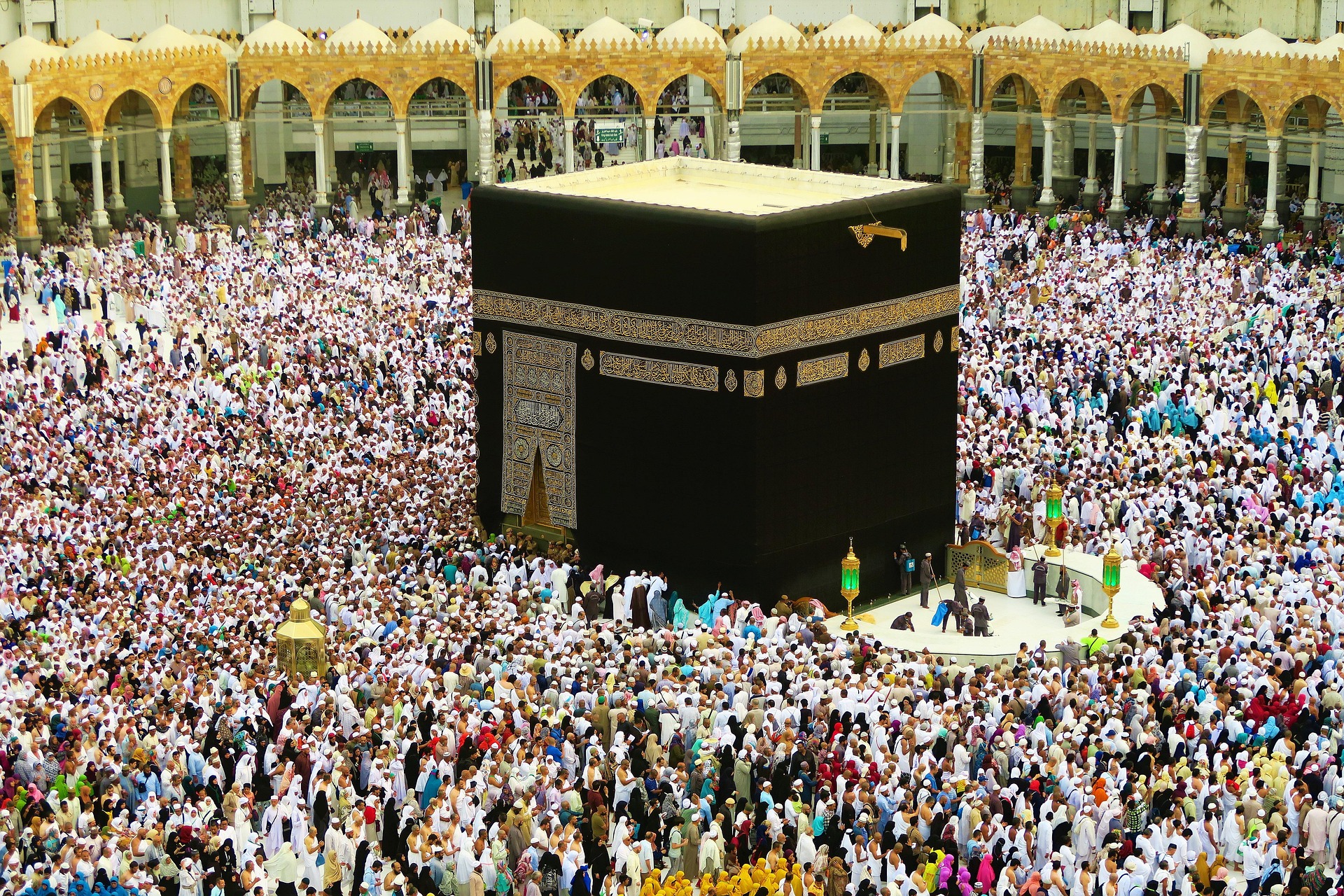
- The Five Pillars of Islam (profession of faith, prayer, charity, fasting during Ramadan, and pilgrimage to Mecca)
Both Sunnis and Shi’ites also revere many of the same historical figures and share many religious practices such as daily prayers, fasting during Ramadan, and pilgrimage to Mecca.
For this reason, the divide between the two groups is not primarily about basic theology, but about authority, leadership, and religious tradition.
The Origin of the Division
The division began immediately after the death of Muhammad in 632 AD. The central question was:
Who should lead the Muslim community?
The Sunni View
Most Muslims believed leadership should go to a capable and respected member of the community. They supported the selection of Abu Bakr, a close companion of Muhammad.
Those who accepted this decision became known as Sunni Muslims, from Ahl al-Sunnah (“people of the tradition”).
Sunni Islam developed the idea of the caliph, a political and religious leader who would guide the Muslim community but was not considered divinely appointed.
The Shi’ite View
Another group believed leadership should remain within Muhammad’s family, specifically through his cousin and son-in-law Ali ibn Abi Talib.
These supporters became known as Shi’at Ali, meaning “the party of Ali,” which is where the term Shi’ite comes from.
Shi’ites believe that leadership belongs to a line of divinely guided leaders called Imams, beginning with Ali.
A Turning Point: The Battle of Karbala
The divide deepened dramatically in 680 AD with the death of Husayn ibn Ali, the grandson of Muhammad.
Husayn was killed during the Battle of Karbala while resisting the rule of the Umayyad caliph Yazid I.
For Shi’ite Muslims, this event became a defining moment of martyrdom and injustice. Husayn’s death is commemorated annually during the festival of Ashura.
How the Two Traditions Developed
Over the centuries, Sunni and Shi’ite communities developed different religious institutions and traditions.
Sunni Development
Sunni Islam became the largest branch of Islam, forming the majority across the Muslim world.
Key features include:
- Religious authority based on scholars and legal traditions
- Four major schools of Islamic law
- Less emphasis on hereditary religious leadership
Historically, Sunni Islam dominated most Islamic empires, including the Ottoman Empire.
Shi’ite Development
Shi’ite Islam developed a more structured religious leadership centered on the line of Imams descended from Ali ibn Abi Talib.
Over time, several branches formed within Shi’ism, but the largest is Twelver Shi’ism, which believes in twelve divinely appointed Imams.
Shi’ite religious authority today is often exercised by senior scholars called Ayatollahs, particularly in countries like Iran.
Where Sunnis and Shi’ites Are Found Today
Sunni Muslims (about 85–90% of Muslims)
They are the majority in many Muslim-majority countries, including:
- Saudi Arabia
- Egypt
- Turkey
- Indonesia
- Pakistan
Shi’ite Muslims (about 10–15% of Muslims)
Shi’ites are concentrated mainly in:
- Iran (majority)
- Iraq (majority)
- Azerbaijan (majority)
Significant Shi’ite populations also live in:
- Lebanon
- Bahrain
- Yemen
Similarities and Differences at a Glance
Similarities
- Same sacred text (the Qur’an)
- Same prophet: Muhammad
- Shared religious practices such as prayer, fasting, and pilgrimage
- Belief in one God
Differences
- Disagreement about rightful leadership after Muhammad
- Different religious authority structures
- Different historical experiences and commemorations
- Distinct legal traditions and clerical hierarchies
A Christian Perspective
For Christians, understanding the differences within Islam can help us engage thoughtfully with Muslim neighbors and better understand world history.
Just as Christianity has historically included different traditions and denominations, Islam developed its own internal divisions as it spread across cultures and political systems.
Learning about these differences does not require agreement, but it can promote informed conversation, respectful dialogue, and deeper awareness of the global religious landscape.